In today’s fast-paced online culture, one of the most fascinating phenomena is the rise of the meme creator, a figure that has transformed how people engage, laugh, and even communicate. From simple jokes to viral sensations, memes are more than just humorous images—they have become a cultural force that influences entertainment, politics, education, and even marketing strategies.
The digital age has introduced tools that make the meme creator more accessible than ever, allowing individuals without technical expertise to craft content that resonates globally. Whether for personal fun or professional branding, the role of memes in modern communication is undeniable.
The Roots of Memes and Their Cultural Impact
Long before the internet, humor spread through jokes, comic strips, and catchy phrases. However, the arrival of online platforms made visual humor easily shareable. This shift gave birth to memes as we know them: images with witty text that capture relatable, funny, or even satirical moments.
At the beginning, being a meme creator required photo editing skills, but over time, online platforms simplified the process. Today, anyone can add text to images or videos within seconds, making meme culture truly democratic. This accessibility means humor spreads fast, often sparking trends overnight.
The cultural impact is significant. A single meme can unite people across continents, breaking language barriers through shared laughter. It has turned internet humor into a universal language, allowing millions to connect effortlessly.
Memes as a Modern Communication Tool
Memes aren’t just jokes; they are also an efficient way of communicating complex ideas quickly. In political campaigns, companies’ marketing, and everyday conversations, memes encapsulate messages with both clarity and humor.
Consider the perspective of a meme creator who wants to spread awareness about an issue. Instead of long explanations, a simple image with witty text can capture attention instantly. The meme becomes a conversation starter, sparking debates or smiles across social media.
Even academic communities have started recognizing memes as part of cultural studies. The way they evolve and adapt reflects societal moods, highlighting how humor is shaped by current events.
Technology Empowering Creativity
The growth of digital platforms has given people tools that amplify creativity. Applications and online editors have removed barriers to entry, allowing anyone with a smartphone to participate in meme culture. This change has turned the meme creator into one of the most influential contributors to online conversations.
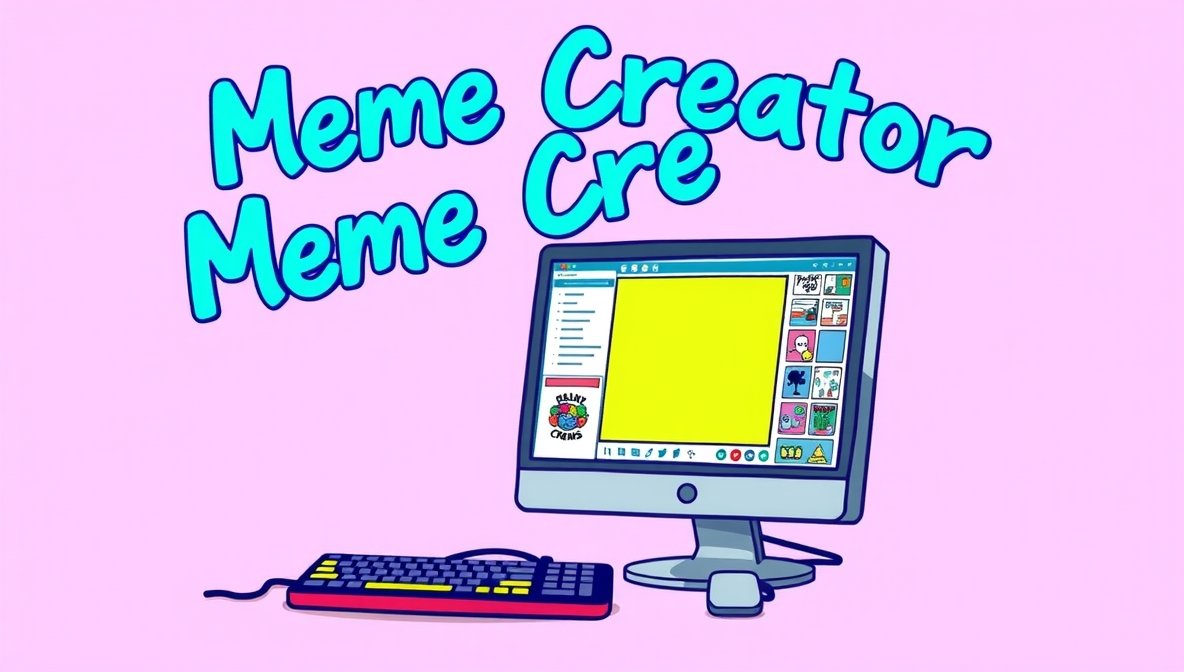
Tools designed specifically for memes provide fonts, templates, and drag-and-drop features, making the process seamless. What once took hours can now be achieved in minutes. The popularity of memes owes much to this technological shift, empowering users to express themselves without professional design skills. mywirelesscoupons, gfxpixelment, shotscribus, futuretechgirls, lcftechmods, meetshaxs, zillexit, durostech, wbsoftwarement.
This democratization of creativity has also encouraged experimentation. Memes aren’t restricted to static images anymore—they now include videos, GIFs, and even interactive elements. Each innovation pushes humor into new formats, attracting wider audiences.
The Psychology Behind Memes
Why do memes resonate so deeply with people? Psychologists explain that humor works as a coping mechanism and a bonding tool. When someone laughs at a meme, they feel connected to others who share the same humor.
A skilled meme creator knows how to tap into these psychological triggers, using irony, exaggeration, or relatability to craft something memorable. This explains why certain memes go viral—they strike the perfect balance between humor and shared experience. uploadblog com, logicalshout, vezyolatens, wyrkordehidom, zikzoutyqulsis, dyeowokopizz.
Memes also help people process difficult emotions. During challenging times, funny memes provide lighthearted relief, acting almost like digital stress therapy. This is why memes are more than just internet jokes—they serve as cultural artifacts that reflect collective emotions.
The Role of Memes in Marketing
Businesses quickly realized the potential of memes in capturing audience attention. Brands now regularly incorporate memes into their campaigns, blending humor with promotion. This strategy makes them appear relatable and approachable to younger generations.
A professional meme creator working in marketing understands the importance of timing and tone. The right meme can humanize a brand, while the wrong one can alienate customers. Successful campaigns often involve memes that fit naturally into internet culture rather than forced advertisements.
Companies in the United States and beyond frequently rely on meme-driven strategies because they spread quickly, often at little to no cost. Unlike traditional ads, memes thrive organically, reaching millions through shares and reposts.
Memes in Education and Awareness Campaigns
It may come as a surprise, but memes also play a role in education. Teachers, activists, and awareness campaigners use memes to simplify complex ideas, making them digestible for wider audiences.
For example, a meme creator focusing on environmental awareness can design a funny yet informative meme about recycling. The humor draws attention, while the message sticks in people’s minds. This dual effect makes memes an effective teaching tool.
Universities and online learning platforms increasingly use memes to engage students. Humor helps break down barriers, encouraging participation and interest in academic subjects. The fact that memes can adapt to virtually any topic makes them invaluable in educational communication.
Memes as a Form of Digital Art
Beyond humor, memes are also an evolving art form. Many argue that they are the modern equivalent of satirical cartoons, blending visual creativity with sharp commentary. This perspective elevates the role of the meme creator into that of a cultural artist.
Some memes showcase high levels of creativity, blending photography, typography, and design in unique ways. In this sense, memes go beyond jokes—they become reflections of artistic expression.
Museums and art exhibitions have even started showcasing memes, acknowledging their place in contemporary culture. What once was dismissed as internet humor is now being studied as digital art with lasting influence.
The Virality Factor
One of the defining traits of memes is their ability to spread like wildfire. A single post can reach millions within hours, sparking conversations and inspiring variations. The virality of memes depends on relatability, humor, and timing.
Every meme creator dreams of crafting content that goes viral, but the process is unpredictable. Sometimes, even the simplest memes achieve massive success, while others fail despite careful planning. The spontaneity of virality keeps meme culture dynamic and exciting.
The cycle of viral memes often creates trends that dominate social media for weeks, shaping the way people talk and joke about current events. This influence shows how memes have become a powerful social force.
Challenges and Criticism
While memes bring joy, they also face criticism. Some argue that memes oversimplify issues, spreading misinformation or reinforcing stereotypes. Others worry about copyright concerns, as many memes use images without permission.
A responsible meme creator must navigate these challenges carefully. Humor should not come at the cost of accuracy or respect. Ethical meme-making involves balancing creativity with sensitivity to avoid offending communities or spreading false information.
Despite these challenges, the positive role of memes in communication, culture, and humor continues to outweigh the negatives. They remain a vital part of the digital landscape.
The Future of Memes
As technology evolves, so will memes. Virtual reality, augmented reality, and artificial intelligence are already influencing how people create and consume content. Soon, interactive memes may become the norm, blurring the line between entertainment and digital experience.
Artificial intelligence is already assisting the meme creator, suggesting captions or even generating memes automatically. These advancements raise questions about creativity—can machines truly replicate humor, or will human wit always remain essential?
Regardless of the answer, memes will continue adapting to new technologies, ensuring they remain central to online culture.
Personal Creativity and Identity
Memes also serve as a reflection of personal identity. Creating and sharing memes allows individuals to express their worldview, humor, and creativity. For many, becoming a meme creator is not just about jokes but about self-expression in the digital age.
Memes capture the essence of individuality while connecting people to global communities. This blend of personal and collective expression makes them unique compared to other forms of media.
In many ways, memes are like cultural mirrors. They reflect what society values, jokes about, and struggles with at a given moment. For individuals, they are a way of saying, “This is how I see the world,” in a humorous and engaging format.
The Anchor Point: Practical Application
For those interested in making their own memes, using a meme creator can simplify the process. With templates, easy editing options, and design tools, people can bring their humor to life quickly.
This practical application ensures that meme-making isn’t limited to experts. It allows anyone, regardless of skill level, to participate in shaping online humor and cultural conversations.
Conclusion
The rise of memes demonstrates how humor has adapted to the digital age. From a simple joke format to a global cultural force, memes have reshaped how people communicate, connect, and create.
The meme creator stands at the center of this movement, blending creativity, humor, and technology to craft content that resonates across cultures. Whether for fun, education, or marketing, memes will continue to play a vital role in shaping digital interactions.
As society evolves, so will memes, ensuring they remain a lasting and dynamic part of human expression. What began as internet humor is now a global language—one that combines laughter, creativity, and connection in ways no other medium can match.